
Perspectives banner
Resources for Jazz Education

The Jazz Ambassadors of The United States Army Field Band proudly brings you Perspectives: Resources for Jazz Education. Perspectives includes original sheet music for jazz ensemble (ranging in difficulty from middle school to professional level), corresponding downloadable recordings by the Jazz Ambassadors, discographies, Pro Tips videos, promotional material, and much more. All Perspectives resources are free. Please continue to check the website to see what new things we have added. As longtime supporters of jazz education in America, the members of the Jazz Ambassadors hope you find Perspectives to be an invaluable resource.

ROYALTY FREE BIG BAND CHARTS

The Controller Area Network (CAN) bus is the backbone of modern automotive and industrial communication. Originally developed by Bosch, CAN allows microcontrollers and devices to communicate without a host computer. To ensure global interoperability, the International Organization for Standardization (ISO) established the ISO 11898 series.

Are you designing for or CAN FD (5 Mbps) ?

ISO 11898-2 standard specifies the High-Speed Physical Medium Attachment (HS-PMA)

Guide to Accessing and Utilizing the Standard

Whether you're a manufacturer, engineer, or developer, this article provides a comprehensive guide to the ISO 11898-2 standard and its implementation. By following the guidelines and recommendations outlined in this article, you can ensure that your CAN bus system meets the requirements of the standard and performs optimally in your application.

If you are a student, researcher, or work in a corporate R&D department, your institution may provide access via subscription services (like IEEE Xplore or TechStreet), or you can view the standard at university libraries that participate in "Standards Info Point" programs.

| Feature | | ISO 11898-3 (Low-Speed) | | :--- | :--- | :--- | | Speed | Up to 1 Mbit/s | Up to 125 kbit/s | | Termination | Required (usually 120Ω) | Split termination required | | Fault Tolerance | If one wire breaks, communication fails | If one wire breaks, communication continues | | Usage | Engine management, motion control | Body electronics (windows, mirrors) |

The "high-speed" designation is key: ISO 11898-2 specifies the physical layer for CAN networks operating at transmission rates of up to 1 Mbit/s over a twisted-pair bus. This high-speed physical layer is what enables real-time, reliable communication between electronic control units (ECUs) throughout a vehicle or industrial system.

American engineers often purchase through the ANSI Webstore. It usually offers a discounted "ANSI Member Price" of $268.00 USD for the 2024 edition, compared to the full list price.

Understanding ISO 11898-2: The High-Speed CAN Bus Standard The Controller Area Network (CAN bus) is the backbone of modern automotive and industrial communication networks. Originally developed by Bosch in the 1980s, CAN has evolved into a highly standardized protocol managed by the International Organization for Standardization (ISO).

: Requires a 120-Ohm resistor at each extreme end of the bus to prevent signal reflections. Evolution and Merging of Standards
POSTERS & FLYERS

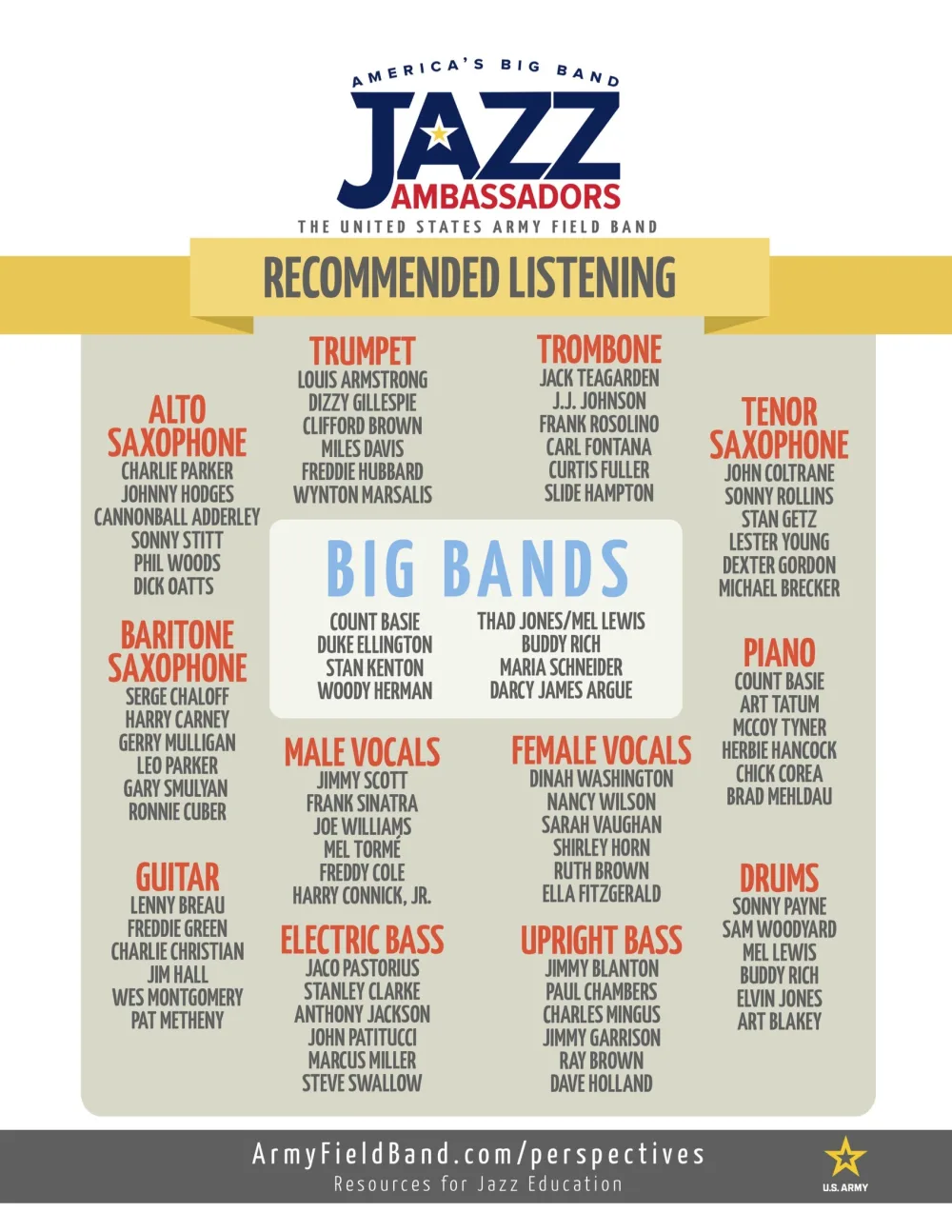
High-resolution PDFs ready for classroom use and printing.

Iso 11898-2 Pdf Download !new! < 1080p × 2K >

The Controller Area Network (CAN) bus is the backbone of modern automotive and industrial communication. Originally developed by Bosch, CAN allows microcontrollers and devices to communicate without a host computer. To ensure global interoperability, the International Organization for Standardization (ISO) established the ISO 11898 series.

Are you designing for or CAN FD (5 Mbps) ?

ISO 11898-2 standard specifies the High-Speed Physical Medium Attachment (HS-PMA) iso 11898-2 pdf download

Guide to Accessing and Utilizing the Standard

Whether you're a manufacturer, engineer, or developer, this article provides a comprehensive guide to the ISO 11898-2 standard and its implementation. By following the guidelines and recommendations outlined in this article, you can ensure that your CAN bus system meets the requirements of the standard and performs optimally in your application. The Controller Area Network (CAN) bus is the

If you are a student, researcher, or work in a corporate R&D department, your institution may provide access via subscription services (like IEEE Xplore or TechStreet), or you can view the standard at university libraries that participate in "Standards Info Point" programs.

| Feature | | ISO 11898-3 (Low-Speed) | | :--- | :--- | :--- | | Speed | Up to 1 Mbit/s | Up to 125 kbit/s | | Termination | Required (usually 120Ω) | Split termination required | | Fault Tolerance | If one wire breaks, communication fails | If one wire breaks, communication continues | | Usage | Engine management, motion control | Body electronics (windows, mirrors) | Are you designing for or CAN FD (5 Mbps)

The "high-speed" designation is key: ISO 11898-2 specifies the physical layer for CAN networks operating at transmission rates of up to 1 Mbit/s over a twisted-pair bus. This high-speed physical layer is what enables real-time, reliable communication between electronic control units (ECUs) throughout a vehicle or industrial system.

American engineers often purchase through the ANSI Webstore. It usually offers a discounted "ANSI Member Price" of $268.00 USD for the 2024 edition, compared to the full list price.

Understanding ISO 11898-2: The High-Speed CAN Bus Standard The Controller Area Network (CAN bus) is the backbone of modern automotive and industrial communication networks. Originally developed by Bosch in the 1980s, CAN has evolved into a highly standardized protocol managed by the International Organization for Standardization (ISO).

: Requires a 120-Ohm resistor at each extreme end of the bus to prevent signal reflections. Evolution and Merging of Standards

VIDEO RESOURCES

PRO TIPS is a series of educational videos by members of The U.S. Army Field Band, answering students’ and educators’ frequently asked questions. This series deals with such topics as breathing, instrument maintenance, practice techniques, embouchure, and much more!