
| Step | Action | How to Use Gujarati PPTs | | :--- | :--- | :--- | | | Preview the Landscape | Start with the presentation Chapter 1 PPT to understand the "what" and "why" of econometrics. Review the Table of Contents or index slides to see the full journey from basic regression to advanced time series. | | 2 | Build Core Knowledge | Use PPT Chapters 2-9 as a structured guide. Read the corresponding book chapters for deeper detail, then review the PPT slides to solidify key formulas, concepts, and figures (e.g., scatter diagrams, regression lines). | | 3 | Visualize the Math | Pay close attention to slides that depict Population vs. Sample Regression Functions and geometric interpretations of OLS. These visuals are crucial for building a strong theoretical intuition. | | 4 | Master the Diagnostics | Closely study PPT Chapters 10-13 . Learn to identify signs of multicollinearity, heteroscedasticity, and autocorrelation through diagnostic tests and visual patterns, understanding both the problems and their solutions. | | 5 | Apply with Software | Connect theory to practice. Locate slides from the Appendix or Chapter 7-9 that reference software outputs from packages like Stata, EViews, or R. Replicate these examples to gain hands-on experience. | | 6 | Test Your Knowledge | Use the review slides at the end of each chapter as a self-quiz. The estimation and hypothesis testing (Chapter 5) and dummy variable (Chapter 9) slides offer excellent opportunities to test your understanding before an exam. | | 7 | Explore Advanced Topics | After mastering the core, use PPT Chapters 14-22 as a launching pad. Focus on the high-level intuition for topics like panel data and time series before diving into specialized courses or textbooks. |

Basic Econometrics by Damodar N. Gujarati (and Dawn C. Porter) is the gold standard for economics, finance, and data science students globally. Whether you are a student trying to cram for an exam or a professor designing a syllabus, finding high-quality lecture slides (PPTs) is essential.

Not all data is numerical. This section explains how to handle like gender, race, or shift in policy using "0" and "1" indicators. This is essential for modern social science research. 6. Time Series Econometrics

: If a slide's mathematical proof is too dense, look up corresponding video walkthroughs on platforms like YouTube, searching for exact chapter names like "Basic Econometrics Chapter 2" to pair with your slides.

Two or more explanatory variables in a multiple regression model are highly correlated.

Presentation slides for this section typically focus on three primary metrics: β2beta sub 2 measures the change in the mean value of per unit change in X2cap X sub 2 , holding all other variables constant. Coefficient of Determination ( R2cap R squared ): Measures the proportion of the total variation in explained by the regression model. Adjusted R2cap R squared R̄2cap R bar squared ): Modifies R2cap R squared

: Presentation slides often animate complex processes, like conducting a Durbin-Watson test or running a dynamic model. Core Topics Covered in the Slide Decks

Leaving out important variables or wrong model specification.

Tip: Look for slides that include visual examples of homoscedastic vs. heteroscedastic scatter plots.
Basic Econometrics Gujarati Ppt Best

| Step | Action | How to Use Gujarati PPTs | | :--- | :--- | :--- | | | Preview the Landscape | Start with the presentation Chapter 1 PPT to understand the "what" and "why" of econometrics. Review the Table of Contents or index slides to see the full journey from basic regression to advanced time series. | | 2 | Build Core Knowledge | Use PPT Chapters 2-9 as a structured guide. Read the corresponding book chapters for deeper detail, then review the PPT slides to solidify key formulas, concepts, and figures (e.g., scatter diagrams, regression lines). | | 3 | Visualize the Math | Pay close attention to slides that depict Population vs. Sample Regression Functions and geometric interpretations of OLS. These visuals are crucial for building a strong theoretical intuition. | | 4 | Master the Diagnostics | Closely study PPT Chapters 10-13 . Learn to identify signs of multicollinearity, heteroscedasticity, and autocorrelation through diagnostic tests and visual patterns, understanding both the problems and their solutions. | | 5 | Apply with Software | Connect theory to practice. Locate slides from the Appendix or Chapter 7-9 that reference software outputs from packages like Stata, EViews, or R. Replicate these examples to gain hands-on experience. | | 6 | Test Your Knowledge | Use the review slides at the end of each chapter as a self-quiz. The estimation and hypothesis testing (Chapter 5) and dummy variable (Chapter 9) slides offer excellent opportunities to test your understanding before an exam. | | 7 | Explore Advanced Topics | After mastering the core, use PPT Chapters 14-22 as a launching pad. Focus on the high-level intuition for topics like panel data and time series before diving into specialized courses or textbooks. |

Basic Econometrics by Damodar N. Gujarati (and Dawn C. Porter) is the gold standard for economics, finance, and data science students globally. Whether you are a student trying to cram for an exam or a professor designing a syllabus, finding high-quality lecture slides (PPTs) is essential.

Not all data is numerical. This section explains how to handle like gender, race, or shift in policy using "0" and "1" indicators. This is essential for modern social science research. 6. Time Series Econometrics basic econometrics gujarati ppt

: If a slide's mathematical proof is too dense, look up corresponding video walkthroughs on platforms like YouTube, searching for exact chapter names like "Basic Econometrics Chapter 2" to pair with your slides.

Two or more explanatory variables in a multiple regression model are highly correlated. | Step | Action | How to Use

Presentation slides for this section typically focus on three primary metrics: β2beta sub 2 measures the change in the mean value of per unit change in X2cap X sub 2 , holding all other variables constant. Coefficient of Determination ( R2cap R squared ): Measures the proportion of the total variation in explained by the regression model. Adjusted R2cap R squared R̄2cap R bar squared ): Modifies R2cap R squared

: Presentation slides often animate complex processes, like conducting a Durbin-Watson test or running a dynamic model. Core Topics Covered in the Slide Decks Read the corresponding book chapters for deeper detail,

Leaving out important variables or wrong model specification.

Tip: Look for slides that include visual examples of homoscedastic vs. heteroscedastic scatter plots.
Basic Econometrics Gujarati Ppt Best

basic econometrics gujarati ppt

High-quality Conversion

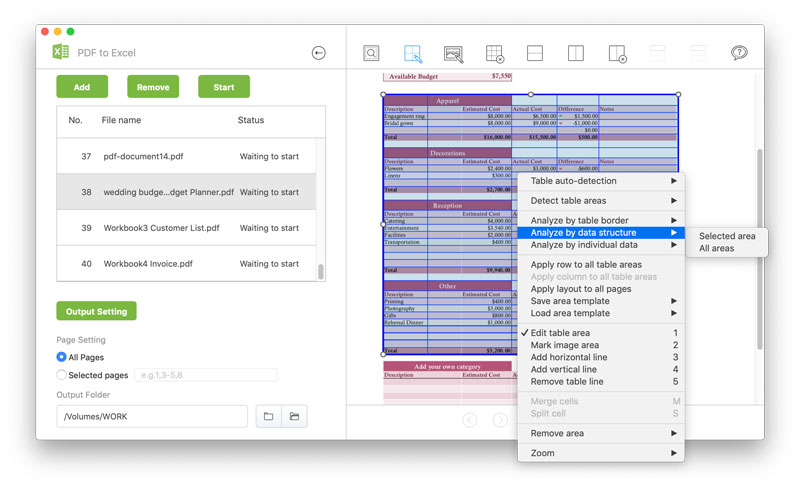
All the functions support batch processing, preview PDF files, provide flexible output options for your task. The powerful table detection feature helps you accurately extract table from PDF to Excel or other formats. Keep the original formatting as accurate as possible. support customized development for special needs.

Free Download
basic econometrics gujarati ppt

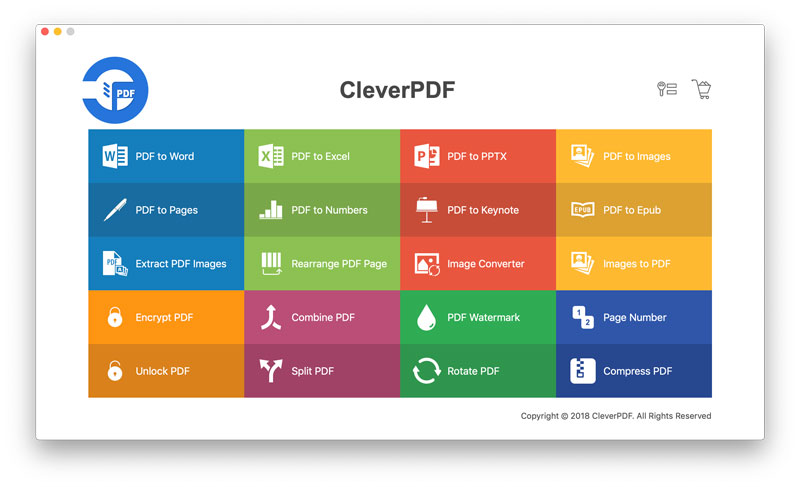
Many Tools are Completely Free

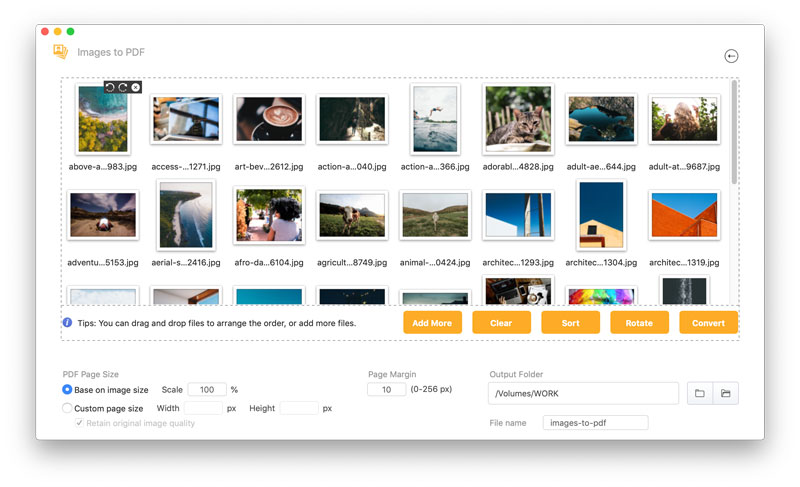
The best Images to PDF Converter, completely free, without any restrictions!

Free Download
basic econometrics gujarati ppt

Easy to Use

Extremely easy to use, it takes no more than 3 steps to get the job done.

Free Download
TOP